Event-driven FF&E density
SXSW, F1, ACL, UT football. Austin STRs need premium furnishings to command event-week rates, $30K–$60K of FF&E per property, all classified as 5-year personal property under MACRS. National calculators miss this.
East Austin or Cedar Park STR with event-week pricing (SXSW, ACL, F1, UT football): FF&E density $35K–$80K per door, typical Year 1 reclass $40K–$180K. See what it looks like for your property type, neighborhood, and tax year. 30-second estimate, no signup. Engineered studies start at $495.
✓ 60-day money-back guarantee ✓ Internal technical review & QC ✓ IRS ATG aligned
Estimate is illustrative. Final number is engineered to your specific property and put through internal technical review and QC.
If your Austin property, STR, multifamily, or commercial, is over $200K basis and held for 12+ months, you can run the full study at costsegsmart.com — typically delivered in under an hour, starting at $495. Order at Cost Seg Smart →
National calculators assume stable mid-market rentals. Austin STRs price by event week, SXSW, ACL, F1, UT football, which inflates FF&E per door.
SXSW, F1, ACL, UT football. Austin STRs need premium furnishings to command event-week rates, $30K–$60K of FF&E per property, all classified as 5-year personal property under MACRS. National calculators miss this.
Texas adds zero state-side complexity. Your federal benefit IS your benefit, no decoupling math, no state addback, no separate depreciation schedule. Cleanest STR cost seg in the country.
Most East Austin / Mueller / South Congress STRs were built or substantially renovated 2010–2019. That’s the sweet spot, modern systems (HVAC, electrical, finishes) classified as 5/7-year, not 27.5.
The 7-day average-stay rule fits Austin’s event-heavy STR pattern naturally. If you self-manage, you almost certainly clear the 100-hour bar. Active losses against W-2 income become reachable. STR operators specifically should walk through the 7-day rule walkthrough for Austin STR hosts, there are participation pitfalls that don't apply to traditional rental owners.
Every number below is generated by our production cost-seg engine, the same engine that produces the engineered PDFs we ship to clients. Component allocations follow IRS Cost Segregation Audit Techniques Guide methodology with industry-standard 2026 cost basis. 2025 placed-in-service, 100% bonus depreciation under OBBBA, 37% federal bracket. Actual results vary with property age, condition, and basis allocation.
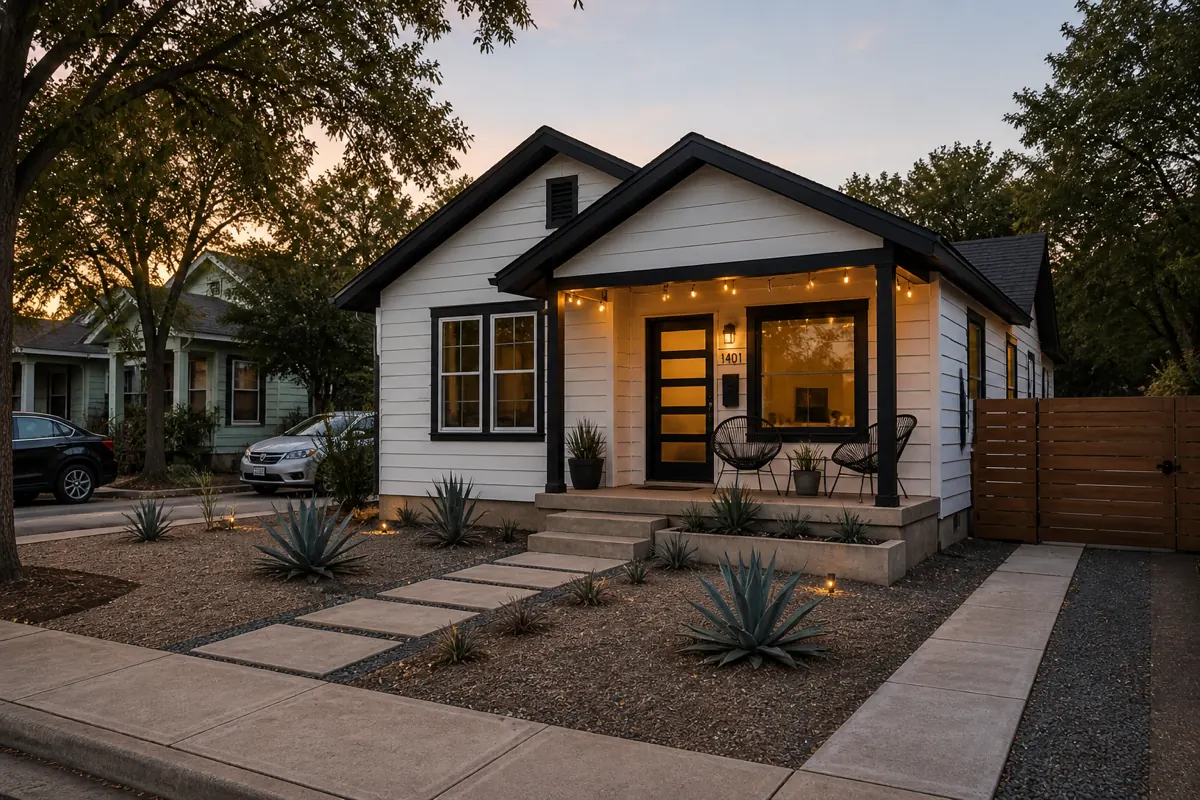 East Austin · STR
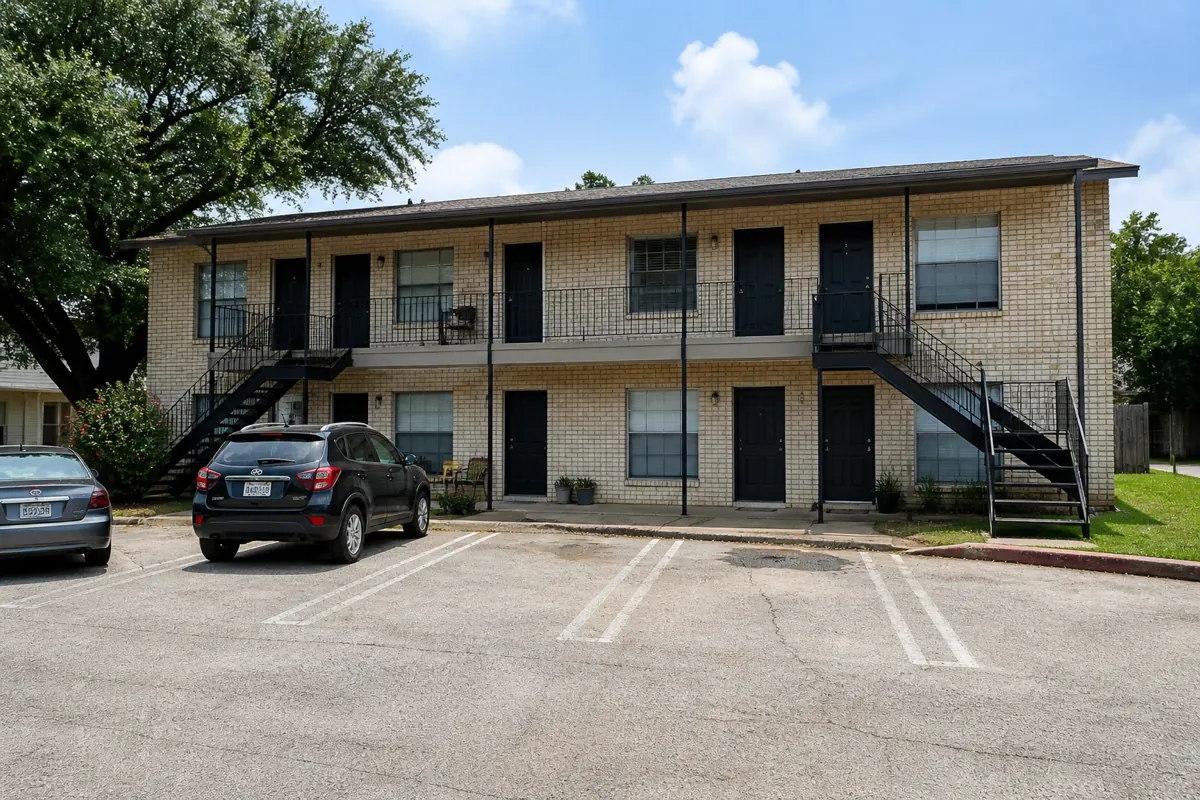 South Austin · Multifamily
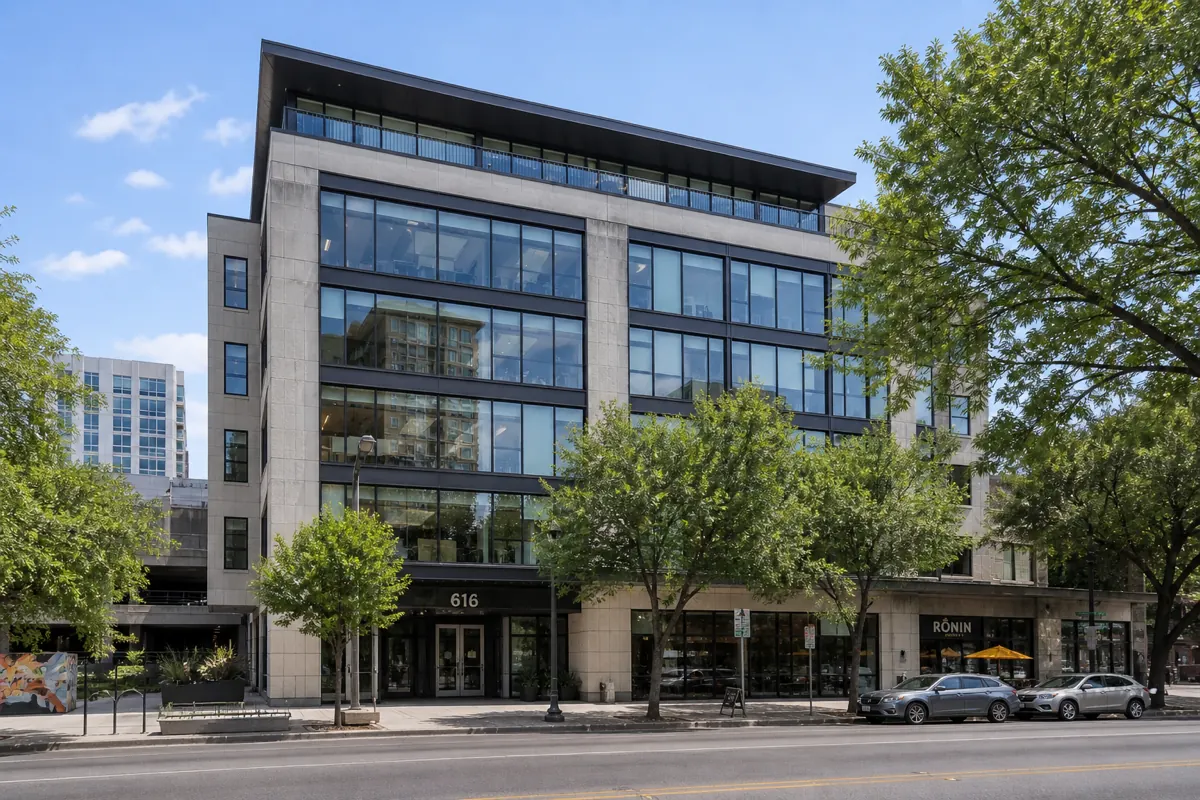 Downtown · Office
These outputs come straight from our production engine, STR, fourplex, and office. To see one rendered as a full engineered PDF, browse a sample Austin report → at costsegsmart.com.
We won’t sell you a study that doesn’t pencil. Almost everything else, long-term holds, mid-term rentals, owner-occupied portion, recent renovations, typically does.
The $495 study still produces a net benefit, but it’s small enough that it’s marginal, typically $3K–$5K Year-1 savings. Worth doing if you’re already filing the return; not worth a special trip.
Depreciation recapture on sale will eat most of the Year-1 acceleration. Wait, do the 1031, or hold longer.
Everything else, long-term holds, mid-term rentals, owner-occupied portion, conversion plays, recent renovations, multi-property portfolios, typically pencils.
We use industry-standard 2026 cost data with Austin-specific regional multipliers, Travis County tax assessor records for land allocation, and the IRS Cost Segregation Audit Techniques Guide methodology. No site visit needed for residential or small-commercial under $5M. Every paid report goes through internal technical review & QC. For larger engagements and data-center studies, where a CPA requires a named engineer, a credentialed engineering partner is engaged per engagement under a signed letter and named on the report cover.
Full methodology details →No, IRS rules are federal; local ordinance affects operations, not depreciation. Your basis is your basis regardless of what Austin City Council does with type-2 short-term rental zoning. The federal Year-1 deduction sits on top of whatever your STR compliance status is.
Yes, on the rental portion only. An engineer scopes the basis allocation between primary residence and rental, the rental portion gets full cost-seg treatment, the homestead portion doesn’t qualify. Common for ADUs, garage conversions, and owner-occupied duplexes in East Austin.
No. Reassessments affect property tax (your local TCAD bill), not the IRS basis you use for federal depreciation. Your cost-seg basis is your acquisition cost (closing-disclosure number) plus any subsequent capital improvements, not the assessor’s market value.
Yes, common play. The carry-over basis from the relinquished property plus any boot becomes the new basis. Cost seg can run on that basis. Your CPA has to coordinate the IRC §1031 deferral and §168(k) bonus depreciation properly; the cost-seg study sits on top of whatever basis lands.
Operationally maybe, depreciation no, your basis is your basis. As long as the property is income-producing in the tax year, it qualifies. If the City eventually forces a use change, you may face recapture later, but that’s a separate question from whether cost seg makes sense now. STR-side specifics (license interaction, average-stay tracking) are covered in the Austin STR-specific cost seg playbook.
Austin is in the top quartile due to no state income tax + event-driven FF&E density. Nashville and Miami are similar. Denver is slightly lower because Colorado partially decouples from federal bonus depreciation. For Austin owners, the federal benefit IS the whole benefit, clean, fast, no separate state schedule.
Have a question we didn’t cover? Email support@costsegsmart.com or see the full FAQ at Cost Seg Smart →
Type 2 STR, East Austin multifamily, downtown commercial, we generate the engineering-based PDF, it passes internal technical review & QC, your CPA files. Studies start at $495 for sub-$300K residential; most Austin properties land in the $895–$1,595 tier depending on basis and property type.
60-day money-back guarantee · CPA-Ready · Internal technical review & QC